







Search Results for: Sun-drying process
How Does the Natural Process Shape Coffee Bean Quality and Flavor? A Complete Breakdown of Steps, Pros, and Cons
The natural process, as the oldest method of coffee processing, can be traced back to the method used by Arabs in the 11th century. This natural drying technique requires no large amount of water and is low in cost, making it widely popular in water-scarce regions. However, the natural process also faces challenges such as contamination by impurities, uneven drying, and mold and rot. This article will break down the four steps of the natural process in detail—removing floating beans, sun drying, observation, and removing the husk—and analyze its positive and negative effects on coffee bean quality. At the same time, we will also explore how the natural process amplifies the coffee's own flavors, bringing a rich body and sweetness, and include Front Street Coffee's pour-over brewing suggestions to help enthusiasts better experience the charm of naturally processed beans. [more…]

Flavor Characteristics of Natural Process Coffee Beans, Process Advantages and Disadvantages, and Analysis of Two Representative Natural Beans
The processing method of coffee beans largely determines the flavor direction of the final cup, and natural sun-drying, as the oldest green bean processing technique, is still widely adopted by many producing regions around the world today. From the perspective of Front Street Coffee, this article systematically reviews the complete sun-drying process—from fruit picking and screening, natural drying, to depulping and hulling, and storage—and provides an in-depth analysis of the advantages and limitations of this processing method. At the same time, the article will also introduce two representative sun-dried coffee beans: Ethiopian Huakui and Panama Elida Estate Sun-Dried Typica, helping readers gain a more comprehensive understanding of how sun-drying gives coffee a rich fermented character, full sweetness, and abundant layers. [more…]
A Complete Analysis of the Natural Process: Green Coffee Bean Processing, Pros and Cons, and Classic Natural Coffee Recommendations
Natural processing is the oldest method of green coffee processing. With its vivid fruity notes and fermented wine-like aromas, it is now being revisited by more and more producing regions. This article provides a complete overview of the natural method's processing flow, including fresh cherry harvesting and sorting, sun-drying, hulling and mucilage removal, and warehousing for export. It also objectively analyzes its cost advantages and quality risks, and explains why natural beans have such intense, layered flavors. At the end, Front Street Coffee selects two representative natural coffees—Ethiopia Hachira and Panama Elida Estate Natural Typica—for your purchasing reference. [more…]
Honey-Processed Coffee Beans Buying Guide: Costa Rica's Regional Advantages and Three Front Street Recommendations
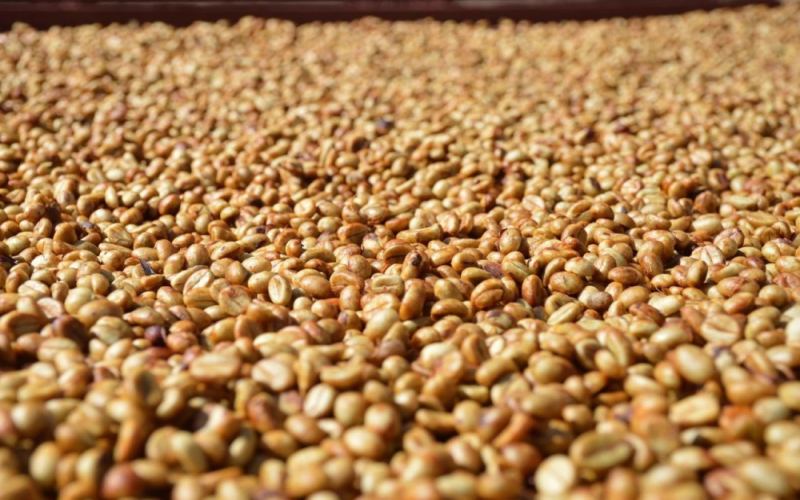
Honey processing is not about processing coffee with honey; it gets its name because the mucilage layer is as sticky as honey. This processing method retains the mucilage layer around the coffee bean, allowing sugars and acidity to seep into the bean during sun-drying, creating a unique flavor that balances sweetness and fruity acidity. Because Costa Rica has richer experience with honey processing and more stable quality control, it has become the preferred region for buying honey-processed coffee. This article explains in detail the principles, process, and flavor characteristics of honey processing, and recommends three distinctive honey-processed coffees from Front Street Coffee—Blackberry, Strawberry Candy, and Mozart—each suitable for espresso and pour-over enthusiasts respectively. [more…]
Tracing the Naming Origins of Yemeni Mocha Coffee: A Legendary Journey from Port Mocha to Traditional Sun-Drying
Yemen, a country renowned for its frankincense and spice trade, is also one of the earliest places in the world where coffee was cultivated. From the biblical legend of Noah's Ark to the realm of the Queen of Sheba, this land carries thousands of years of civilizational memory. In the early 17th century, Yemeni coffee was exported to Europe through the ancient port of Mocha, and the MOCHA mark printed on the sacks led Europeans to call this delicious beverage "Mocha coffee," making the port of Mocha the originator of the world coffee trade. Its unique steep terrain and arid climate have created a wildness and complexity of flavor in Yemeni coffee that cannot be replicated. This article will trace the origin of the name Mocha coffee, explain in detail the ancient wisdom of Yemen's full natural sun-drying method, and provide an in-depth look at the unique charm of the three major producing regions: Sanaani, Mattari, and Ismaili. [more…]
A Complete Guide to the Ninety Plus Specialty Coffee Bean Series: Flavor Exploration of Geisha and Ethiopian Heirloom Varieties and Future Trends
As a benchmark brand in the specialty coffee world, Ninety Plus is renowned for its rigorous Level grading system and innovative processing methods. This article systematically reviews the full lineup of Ninety Plus beans recommended by Front Street Coffee, covering Juliet, Lotus Solkiln, Prospect, Red Prospect, Prospect Ruby, and Silvia Solkiln from the Panama Geisha estate, as well as Ginseng, Clinique, Nectar, Red Nectar, and Nectar Ruby from the Ethiopian production region. From honey processing and natural processing to the patented Solkiln dense processing, red processing, and ruby processing, each one displays a unique flavor layering. The article fully preserves the origin, harvest season, variety, Level, altitude, processing method, and flavor description of each bean, providing coffee enthusiasts with a detailed tasting guide and, from this, looking ahead to the future direction of specialty coffee. [more…]
Comparison of Coffee Processing Methods | What's the Difference Between Washed and Natural Beans? 5 Classic High-Quality Washed Pour-Over Coffee Beans Every Beginner Must Buy
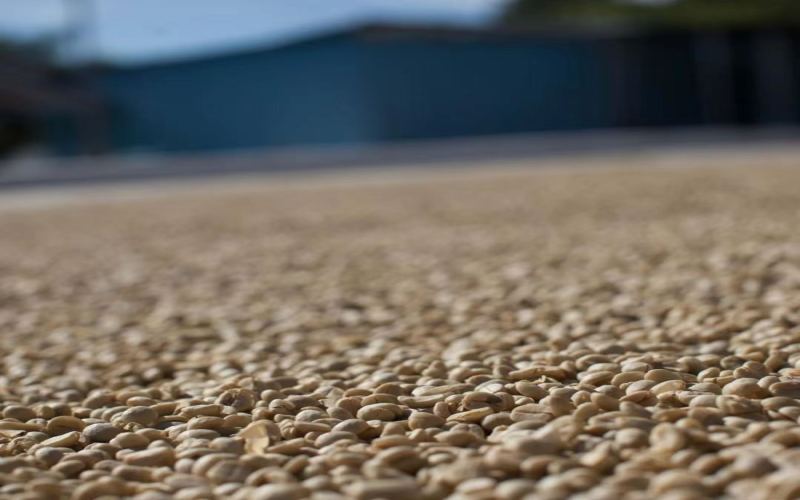
The wet process (washed method) was invented by the Dutch in the 18th century. Because some countries often experience rain and high humidity, making it impossible to use the dry process, although the procedure is relatively more complicated, it is currently the most widely used [more…]
Coffee Knowledge on Ethiopia's Sidama and Guji Regions: Flavor Analysis of the Lion King Natural Bean
Ethiopia is the birthplace of Arabica coffee, and its southern Sidamo and Guji regions are famous for their rich and diverse flavors. This article systematically reviews Ethiopia's geography, climate, administrative divisions, and coffee cultivation models, with a focus on analyzing the characteristics of the natural process in the Sidamo region, as well as the blueberry sweetness, citric acidity, and full berry aroma of the Lion King coffee beans from the Guji region. It also compares the differences between traditional natural process and improved natural process, and introduces the flavor performance of washed Sidamo. Front Street recommends this Lion King natural bean, brewed with 90°C water and a 1:15 coffee-to-water ratio, to showcase its bright acidity and floral, fruity, honey-like aroma. [more…]
Analysis of Ethiopia's Sidama and Guji Regions: The Origin of Huakui Coffee, Sun-Drying Processing, and Brewing Parameters
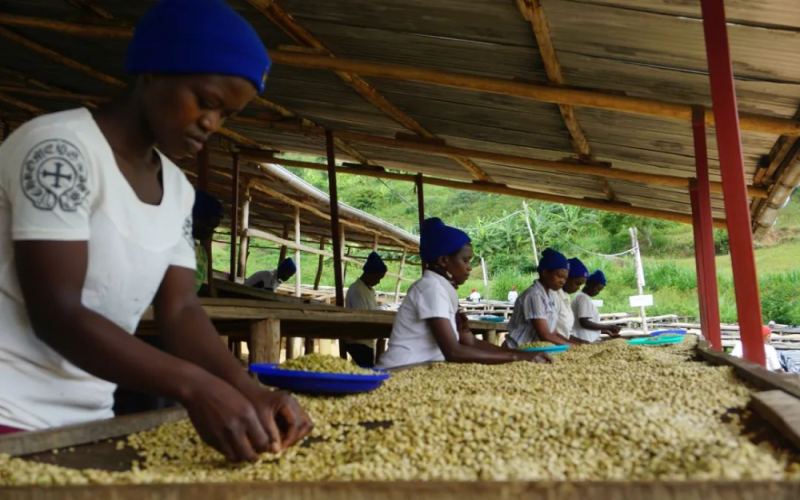
Ethiopia, as the birthplace of coffee, is home to numerous regions with distinctive styles, among which Sidama and Guji stand out for their pronounced floral and fruity notes. Starting from the terroir of these origins, this article outlines the growing backgrounds and processing methods of Sidama, Guji, Hambela, and Arsi, with a particular focus on the origins of Huakui coffee and its natural processing method. At the same time, drawing on its roasting and brewing experience, Front Street Coffee shares the V60 staged extraction parameters and flavor profile of Huakui coffee, helping coffee enthusiasts gain a more complete understanding of this bean's origin information and key tasting points. [more…]
Costa Rica Las Lajas Estate Coffee: A Comprehensive Analysis of Yellow Honey Processing Flavor, Variety, and Origin
Las Lajas Estate is located in Sabanilla in Costa Rica's Central Valley production region, at the foot of Poas Volcano, and is renowned for its yellow honey-processed coffee. The estate sits at an altitude of 1,300 to 1,500 meters and cultivates the Caturra and Catuai varieties, with a flavor profile layered with honey, tropical fruit, maple syrup, and melon. Las Lajas is one of the earliest estates in Central America to experiment with honey processing and natural sun-drying. Third-generation operator Francisca introduced a refractometer to measure the sugar content of coffee cherries, sun-drying only those fruits with a sweetness above 20%. The estate adheres to natural farming methods and in 2000 became the first estate in Costa Rica to obtain organic certification. Front Street Coffee recommends this coffee, and below is a detailed account of its origin, variety, processing method, and flavor. [more…]

Ethiopia Guji Hambela Buku: Flavor Analysis Under Low-Temperature Slow Sun-Drying Process
In the highlands of southeastern Ethiopia, the Guji region has gradually risen to prominence thanks to its superior terroir, and Buku Abel within the Hanbela village is a pristine coffee-growing site at an altitude of over two thousand meters. This article provides an in-depth introduction to the Buku plot's regional background, processing methods, green bean characteristics, roasting curve, and cupping flavor performance, while also sharing Front Street Coffee's brewing recommendations for this batch of beans. From the drying logic of low-temperature slow sun-drying to the pear, strawberry, orange, and creamy honey-like sweetness presented in the cup, this takes you through a comprehensive understanding of this Ethiopian specialty coffee that combines floral aromatics with tropical fruit notes. [more…]

What stages affect coffee cleanliness? Looking at the history of Brazilian coffee harvesting and processing through COE cupping protocols
Cleanliness is an important dimension in judging coffee quality. It reflects whether a cup of coffee carries negative flavors such as earthiness, hay, or woodiness, or unpleasant sensations like astringency and dryness. From harvesting and processing to roasting and brewing, every stage can influence the level of cleanliness. This article starts with the emphasis COE cupping places on cleanliness, traces the historical problems Brazil—the world's largest coffee-producing country—has faced due to machine harvesting and rough sun-drying, and then extends to the impact of the roasting and brewing stages on cleanliness, helping coffee lovers systematically understand the industry chain logic behind a clean cup of coffee, while also retaining relevant recommendations for the Front Street brand. [more…]
The Complete Guide to Honey Process Coffee: A Professional Analysis from Semi-Washed Processing to Flavor Expression
As an advanced version of the natural process, the honey process occupies a unique position in the field of coffee processing. Unlike the traditional natural method, it chooses to strip off the outer skin and pulp before drying, leaving only the mucilage layer to be exposed to sunlight. The honey processing technique for which Costa Rica is famous essentially falls within the category of the semi-natural method. This processing method allows coffee beans to achieve a balance between acidity and sweetness, while amplifying aroma through the sun-drying process, delivering a rich and full-bodied drinking experience. This article will break down in detail the complete operational workflow of honey processing, its advantages and disadvantages, and the final flavor characteristics it presents, helping coffee enthusiasts gain a deeper understanding of the logic behind this refined process and Front Street Coffee's related recommendations. [more…]
What types of sun-dried processing methods are there for coffee beans? A full analysis of the differences between natural and semi-natural processing techniques.
The impact of coffee processing methods on green bean flavor is akin to the influence of winemaking techniques on wine; different processing methods can bring out completely distinct characteristics. This article will systematically outline the origins, procedures, and flavor traits of the natural process, and compare the similarities and differences among mainstream methods such as the washed process, semi-washed process, and honey process, helping enthusiasts understand the logic behind each processing method and its expression in the cup. The article also combines several representative beans from Front Street Coffee to provide specific purchasing references. [more…]
An In-Depth Analysis of the Natural Process: Advantages, Disadvantages, and Flavor Evolution from Traditional Sun-Drying to Slow Fermentation
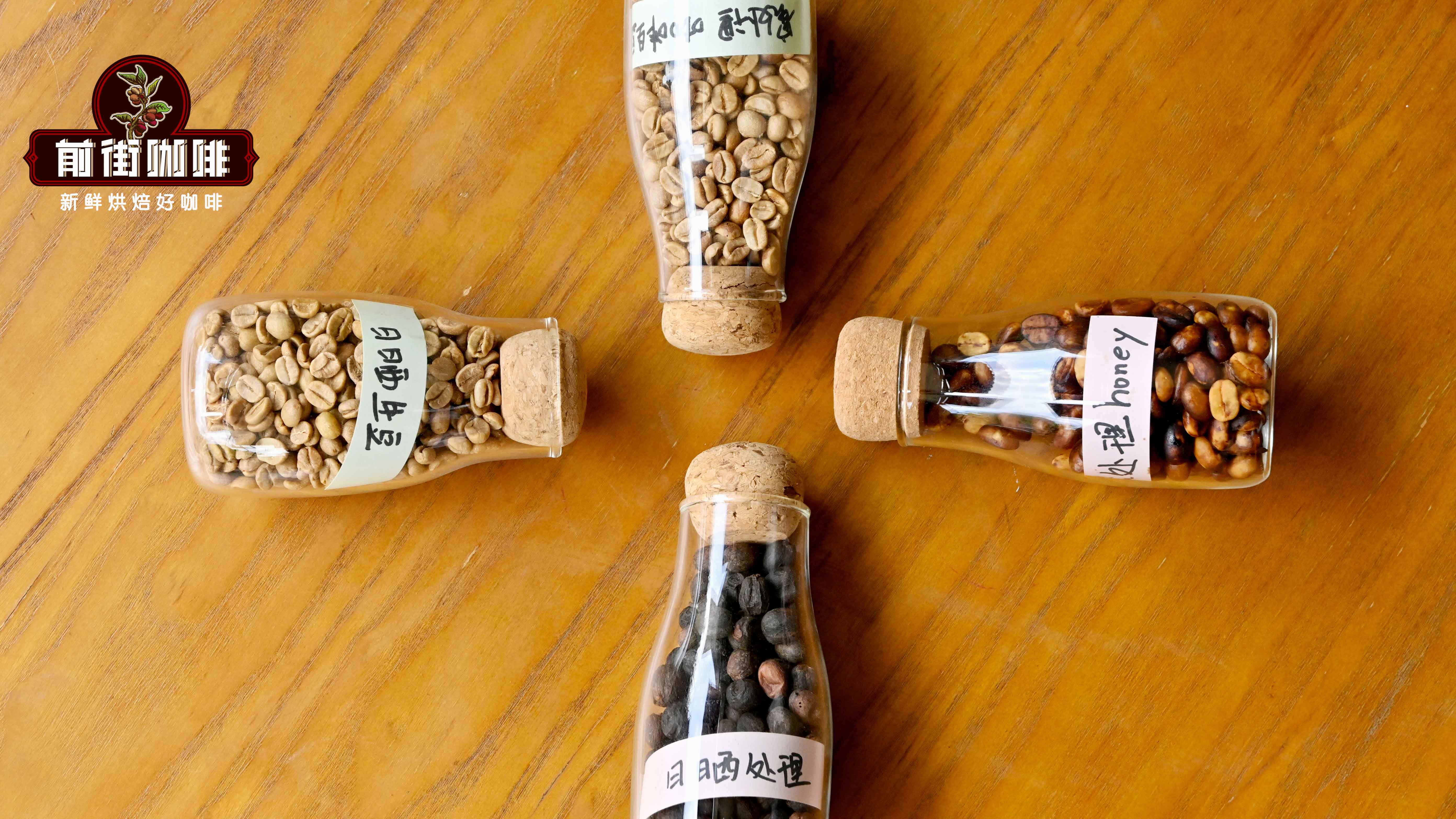
The natural process is the oldest method of coffee processing, allowing the fruit to dry naturally while the beans mature inside the pulp, resulting in intense flavor and prominent sweetness. Today, the natural process has been refined, from African raised beds to single-layer slow fermentation, greatly improving quality and even becoming the top choice for competition-grade coffee. This article will guide you through a comprehensive understanding of the natural process's operational flow, flavor advantages, traditional flaws, and modern improved techniques, and recommend freshly roasted beans such as Front Street Natural Huakui and Front Street Red Cherry, allowing you to understand the unique charm of naturally processed coffee from theory to practice. [more…]
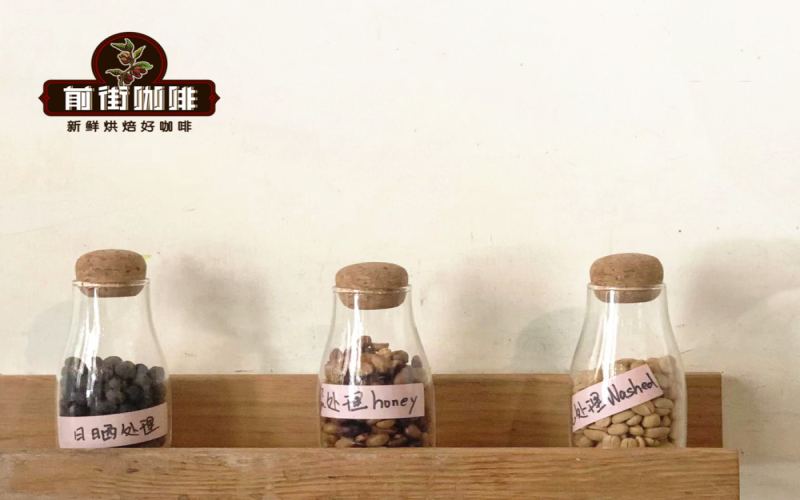
A Detailed Explanation of the Three Major Green Coffee Processing Systems: The Process Differences Between Natural, Washed, and Semi-Dry Methods
The processing method of green coffee beans directly determines the flavor direction of the final cup. From the oldest sun-drying to the washing process invented by the Dutch in the 18th century, and then to the semi-dry processing in between, each method has left a unique mark on the coffee beans. Sun-drying gives the beans complex fruity notes and fermented sweetness, while washing brings clean and bright acidity and the true taste of the producing region. Honey processing and pulped natural methods, while retaining a little mucilage, create a flavor spectrum between the two. In addition, locally adapted innovative processes such as Indonesia's wet-hulling method have also added distinctive regional characteristics to the coffee world. This article will take Front Street Coffee's cupping experience as an example to break down the principles, steps, and flavor performance of these processing methods one by one. [more…]
Honduran Coffee Bean Flavor Analysis: Varietal Characteristics and Grinding Recommendations Under Washed Processing and Sun-Drying
Honduran coffee stands out among Central American origins for its balanced, mellow flavor. Front Street Honduras coffee beans have a medium-light acidity, with both bitterness and a sweet aftertaste; the overall mouthfeel is rich and full-bodied, making them suitable both for single-origin brewing and for espresso blends. This article provides a detailed introduction to Front Street Honduras coffee's growing region characteristics, processing methods, varietal flavors, and its performance at different roast levels, helping coffee enthusiasts gain a comprehensive understanding of this bean's unique charm. [more…]

An In-Depth Guide to Front Street Yirgacheffe Red Cherry Natural G1 Pour-Over Parameters and Flavor Profile
Yirgacheffe is Ethiopia's most iconic specialty coffee region, and the sun-dried G1 under the Red Cherry Project is the cream of the crop. This article provides a comprehensive analysis of the unique charm of Front Street Yirgacheffe Red Cherry coffee beans, covering everything from the region's geography, historical origins, processing methods, and grading standards to roasting recommendations and pour-over parameters. You will learn how the Kebel Aricha processing station uses refined sun-drying methods to create stunning fruity flavors, and how to use a V60 dripper to extract the alluring aroma of berries and lightly fermented red wine. Whether you are a beginner just getting into specialty coffee or a seasoned enthusiast in search of the ultimate flavor, this guide will help you better savor this sun-dried Yirgacheffe, hailed as the "King of Fruits." [more…]
The Three Major Coffee Processing Methods: Washed, Natural, and Honey—A Full Analysis of Flavor Differences and Processing Details
The flavors of coffee are endlessly varied. Beyond variety and roasting, the fermentation process during green coffee processing plays a decisive role. The three common methods—natural, washed, and honey—each rely on different fermentation environments and microbial activity to shape distinctly different sweetness, acidity, and body. This article begins with the scientific principles of fermentation, systematically sorts out the differences between dry and wet fermentation, explains in detail the key points of natural, honey, washed, and Kenyan-style and Ethiopian-style washed processing, and includes Front Street Coffee's recommendations and buying advice to help you understand more clearly where the flavors in your cup come from. [more…]
Yirgacheffe's Emerging Micro-Region Gedeb: An Analysis of the Pour-Over Flavor and Processing Techniques of High-Altitude Coffee Beans
Yirgacheffe has long become synonymous with African specialty coffee, and within this designated appellation, a micro-region called Gedeb is quietly rising. It is located in the Gedeo Zone, with an average altitude of 1,900 to 2,200 meters, far higher than the traditional Yirgacheffe region, giving the coffee beans a hard, dense texture and unique flavor. Gedeb's smallholder farmers send carefully picked coffee cherries to the Kochere processing station, where they are sun-dried on raised beds for 15 to 20 days, creating an elegant flavor interwoven with floral notes and berries. This article will take you deeper into Gedeb's regional characteristics, processing techniques, and its taste performance under pour-over and American-style brewing. Front Street Coffee recommends that you pay attention to this emerging region with outstanding value for money. [more…]